Painted Abstract Watercolor Background: A Versatile Design Element
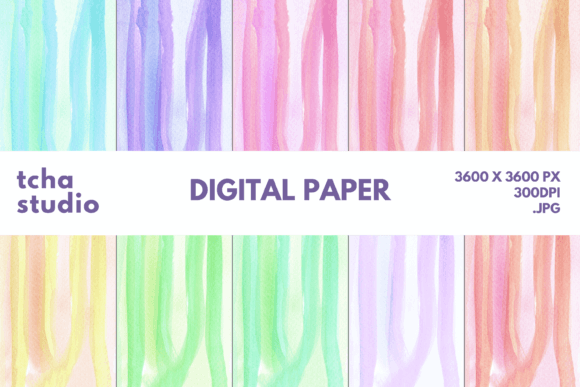
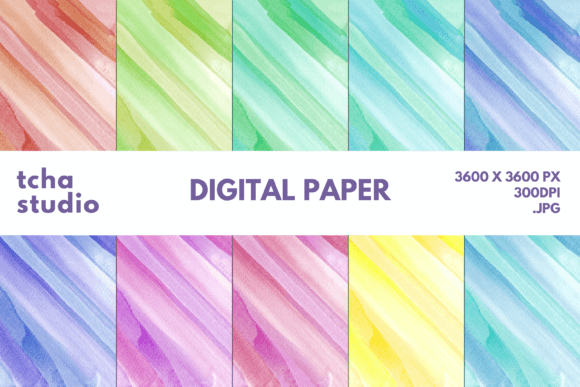
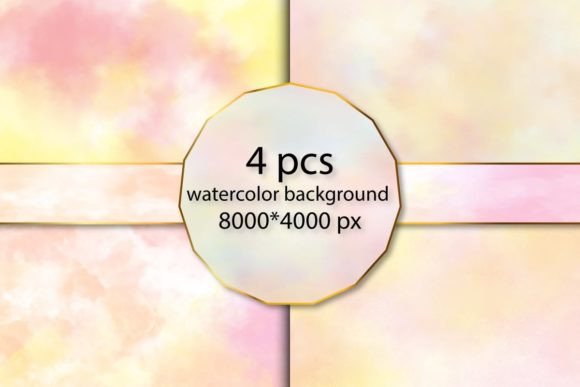
The Painted Abstract Watercolor Background is a digital design asset that captures the fluid, organic essence of watercolor painting in an abstract form. This type of background is created by hand-painted techniques and then digitized to offer high-resolution quality suitable for a wide range of applications. It is often sold as a set of four distinct designs, each with unique color palettes and patterns, providing users with flexibility in their creative projects.
These backgrounds are available in AI files and JPEG format, with resolutions up to 8000 x 4000 pixels, making them ideal for high-quality prints or large-scale digital displays. Whether you're designing for print or digital media, the Painted Abstract Watercolor Background offers a blend of artistic flair and practicality that can enhance various visual compositions.
Why Consider Painted Abstract Watercolor Backgrounds?
There are several reasons why someone might be interested in using Painted Abstract Watercolor Backgrounds. One primary reason is the aesthetic appeal. These backgrounds bring a sense of elegance and sophistication to any design project, whether it's for personal or professional use. The soft, flowing lines and subtle textures of watercolor can add depth and interest without overwhelming the content on top of the background.
Another compelling factor is versatility. The Painted Abstract Watercolor Background can be used across multiple platforms and mediums. From digital wallpapers and website banners to business cards and greeting cards, these backgrounds adapt well to different contexts. Their ability to complement both modern and traditional themes makes them a valuable resource for designers looking to create visually appealing content.
Benefits and Tradeoffs
The benefits of using Painted Abstract Watercolor Backgrounds include their visual appeal, ease of integration into various design formats, and the high resolution that ensures clarity even at larger sizes. Additionally, they provide a unique touch that distinguishes your work from generic stock images or solid colors.
However, there are also tradeoffs to consider. While these backgrounds offer a rich artistic feel, they may not be suitable for all types of content. For instance, if the text or imagery placed over the background needs to be highly legible, the intricate details of the watercolor could potentially interfere with readability. Users should carefully evaluate how the background interacts with the foreground elements to ensure optimal visual harmony.
Situations Where Painted Abstract Watercolor Backgrounds Excel
The Painted Abstract Watercolor Background is particularly well-suited for creative projects where a touch of artistry is desired. It works exceptionally well in scenarios such as wedding invitations, thank you cards, and greeting cards, where the background can evoke emotions and set a specific tone. In marketing materials like logos, banners, and app interfaces, these backgrounds can help establish a brand identity that feels both professional and approachable.
For digital creators, these backgrounds are excellent for YouTube thumbnails, social media covers, and website headers. They add a layer of sophistication that can attract viewers and enhance the overall user experience. In presentations and business cards, they can serve as a subtle yet effective backdrop that supports the message being conveyed.
When Alternatives Might Be Worth Considering
While Painted Abstract Watercolor Backgrounds have many strengths, there are situations where alternative options might be more appropriate. If the goal is to maintain maximum clarity and focus on textual content, a simpler background—such as a solid color or a minimalist pattern—may be preferable. In cases where the design requires a more contemporary or geometric look, other digital assets like vector graphics or photo-realistic images might better suit the project's needs.
Additionally, for users who require full customization or need to make frequent changes to the background, generating the design from scratch using graphic design software could be a more flexible option. However, this would require additional time and skill compared to using pre-made assets.
Practical Insights for Decision-Making
When deciding whether to use Painted Abstract Watercolor Backgrounds, consider the specific goals of your project. Ask yourself: Does the background align with the overall theme and message? Will it enhance or detract from the main content? Are there any accessibility concerns related to contrast or readability?
It's also important to think about the intended audience. If the design is for a younger demographic or a creative industry, the watercolor background might resonate well. On the other hand, for formal or technical contexts, a more subdued background may be more appropriate.
Evaluating the file formats and resolutions provided is another key consideration. Ensure that the chosen background meets the technical requirements of your platform or medium. High-resolution files are essential for print work, while JPEGs are generally sufficient for digital use.
Ultimately, the decision to use Painted Abstract Watercolor Backgrounds depends on the balance between aesthetics, functionality, and the specific needs of the project. By carefully assessing these factors, you can determine whether this type of background is the right choice for your creative endeavors.