Red Fabric Texture
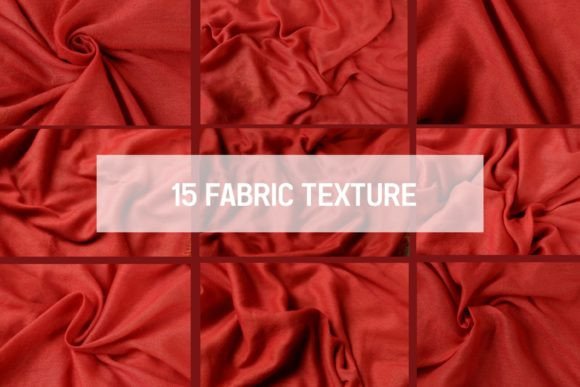
Red fabric texture is a powerful visual element that brings warmth, depth, and character to any design project. Whether you're crafting a brand identity, designing a website, or creating marketing materials, the right texture can elevate your work from ordinary to extraordinary. This article explores how red fabric texture can enhance your creative workflow, with a focus on practical applications and high-quality resources like the 15 red cloth texture background set available for immediate download.
Understanding Red Fabric Texture in Graphic Design
Red fabric texture refers to the visual representation of woven or printed fabric in the color red. It can range from smooth and glossy to rough and distressed, offering a variety of options to suit different styles and moods. In graphic design, textures are more than just aesthetic choices—they play a crucial role in visual storytelling, user experience, and brand perception.
Using red fabric texture can add a tactile feel to digital designs, making them more engaging and memorable. It's especially effective when used as a backdrop for logos, illustrations, or photographs, helping to create contrast and focus. The richness of red also makes it a bold choice for branding, where it can communicate energy, passion, and creativity.
Practical Applications of Red Fabric Texture
The versatility of red fabric texture makes it suitable for a wide range of design projects. Here are some key areas where it can make a significant impact:
- Branding and Logo Design: Incorporating red fabric texture into a logo can give it a unique, handcrafted look that stands out from flat, vector-based designs.
- Marketing Materials: Use it as a background for brochures, flyers, or posters to add depth and sophistication.
- Social Media Graphics: Create eye-catching posts for platforms like Instagram or Pinterest by pairing red fabric texture with vibrant colors and modern typography.
- Website and UI Design: Apply it subtly in backgrounds, buttons, or hover effects to enhance the visual appeal without overwhelming the user.
- Packaging Design: Add a premium feel to product packaging with red fabric texture, especially for luxury or artisanal brands.
Choosing the Right Red Fabric Texture for Your Project
Selecting the perfect red fabric texture requires consideration of several factors, including the overall design style, target audience, and intended use. A high-resolution red cloth texture background set offers flexibility, allowing designers to experiment with different looks and compositions.
When evaluating texture options, think about how they interact with other design elements such as color palette, typography, and imagery. For example, a smooth red fabric texture may complement minimalist layouts, while a more textured version could work well with vintage or rustic themes.
Consistency is key when using textures across multiple design assets. Ensure that the chosen red fabric texture aligns with your brand’s visual identity and maintains a cohesive look throughout all touchpoints, whether print or digital.
Tips for Using Red Fabric Texture Effectively
To get the most out of red fabric texture, consider these best practices:
- Balance and Contrast: Use the texture to add depth without overpowering other design elements. Pair it with complementary colors and ensure there is enough contrast for readability.
- Scalability: Choose high-resolution textures that remain clear and crisp at different sizes, especially if the design will be used for both web and print.
- Layering: Experiment with layering textures to create complex, multi-dimensional visuals that capture attention and convey emotion.
- Compatibility: Make sure the texture works well with your existing brand guidelines and doesn’t clash with other design components.
Incorporating red fabric texture into your design toolkit opens up new possibilities for creativity and expression. With the right resources, such as the 15 high-resolution red cloth texture backgrounds, you can bring your visions to life with ease and precision. Whether you're working on a small project or a large-scale campaign, thoughtful design choices can transform the way your brand is perceived and experienced by your audience.