Wood and Wildlife Texture Digital Paper: A Strategic Tool for Creative and Professional Projects
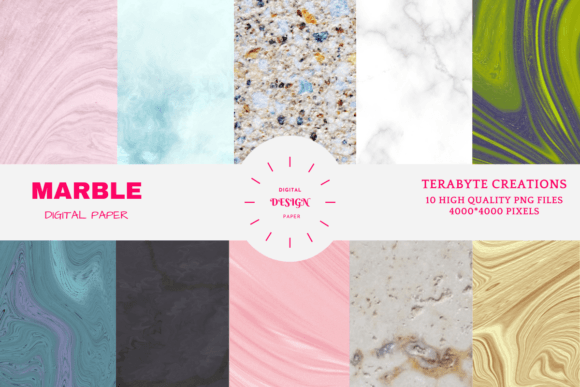
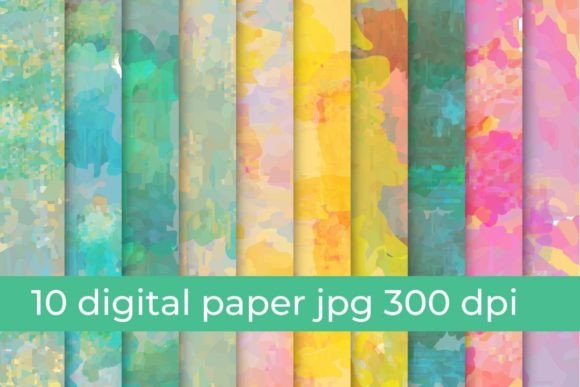
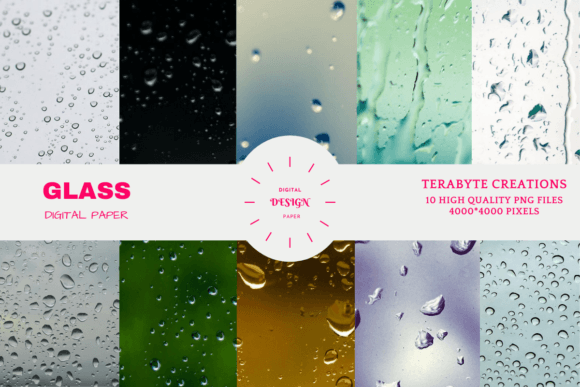
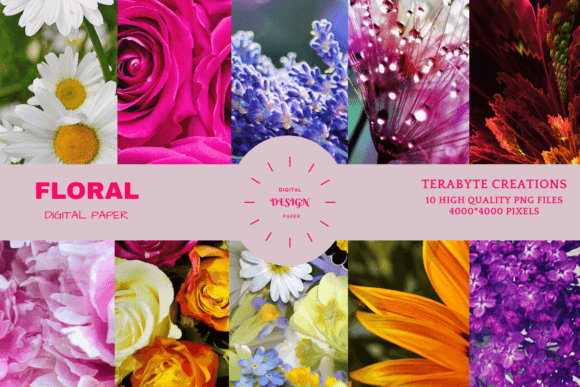
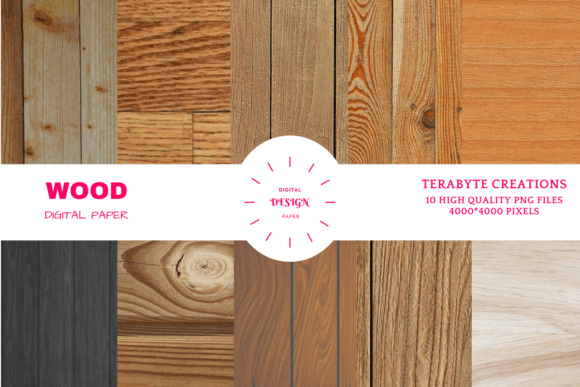
Wood and Wildlife texture digital paper is more than just a visual element—it's a strategic asset that can elevate the quality, appeal, and impact of your creative and professional work. Whether you're designing invitations, crafting stationery, or developing web content, this high-resolution digital paper offers a unique blend of natural aesthetics and functional versatility. With 10 JPG files, each measuring 4000 x 4000 pixels at 333 DPI, this downloadable resource provides exceptional clarity and detail suitable for both digital and physical applications.
The Strategic Value of Wood Textures in Design
Wood textures are inherently versatile, offering warmth, depth, and a sense of authenticity that few other materials can match. In design, they serve as more than decorative elements—they contribute to brand identity, user experience, and emotional engagement. When used strategically, wood textures can help align your visual content with specific goals, such as evoking trust, showcasing craftsmanship, or reinforcing a connection with nature.
For professionals working in branding, marketing, or web design, incorporating wood textures into logos, websites, or promotional materials can create a cohesive visual language that resonates with audiences. This is especially effective in industries like eco-friendly products, wellness, and artisanal crafts, where natural aesthetics play a crucial role in positioning and storytelling.
Enhancing Creativity and Productivity Through Thoughtful Use
One of the key advantages of using Wood and Wildlife texture digital paper is its ability to spark creativity. The intricate patterns and organic feel of the wood and wildlife elements provide a rich foundation for brainstorming and experimentation. For creators and designers, this means having a reliable resource that can be adapted across various mediums and formats without compromising quality.
When planning projects such as scrapbooking, invitations, or packaging, it's important to consider how these textures will interact with other design elements. For example, pairing a subtle wood grain with bold typography can create a balanced composition that draws attention while maintaining a sense of calm and sophistication.
- Use in Web Design: Incorporate wood textures into background elements or buttons to add depth and a tactile feel to digital interfaces.
- Stationery and Invitations: Apply these textures to wedding or event invites to create a memorable and personal touch.
- Printed Materials: Use them as a base for business cards, place cards, or planner stickers to enhance visual appeal and professionalism.
Planning Your Approach: When and How to Use Wood Textures
Before relying on wood textures for a project, it's essential to define clear objectives and understand the context in which they will be used. Ask yourself: What message am I trying to convey? Who is my audience? How does this texture support the overall look and feel of the project?
Consider the following when integrating wood textures into your designs:
- Alignment with Brand Identity: Ensure that the use of wood textures aligns with your brand's core values and visual guidelines.
- Balance and Contrast: Avoid overusing wood textures; instead, use them strategically to complement other design elements and maintain visual balance.
- Resolution and Scalability: Given the high resolution of these digital papers, they are ideal for large-scale prints or detailed digital projects where clarity is essential.
By approaching the use of wood textures with intention, you can avoid common pitfalls such as cluttered designs, inconsistent messaging, or misaligned aesthetics. This thoughtful approach ensures that your final output not only looks great but also communicates effectively.
Exploring Practical Applications Across Industries
The applications of Wood and Wildlife texture digital paper are vast and varied, making it a valuable tool across multiple industries and disciplines. Here are some practical examples of how this resource can be leveraged:
For Entrepreneurs and Small Business Owners: Use these textures in packaging, signage, or branded merchandise to create a distinctive and memorable customer experience. Whether you're selling handmade goods or offering services, a well-designed visual identity can significantly impact consumer perception and loyalty.
For Educators and Publishers: Incorporate wood textures into educational materials, textbooks, or journals to create an engaging and visually appealing learning environment. These textures can help break up text-heavy pages and make information more digestible and enjoyable.
For Hobbyists and Crafters: Whether you're working on decoupage, card making, or fabric design, these textures offer endless possibilities for customization and personalization. Their adaptability makes them perfect for experimenting with new techniques and styles.
Understanding Risks and Making Informed Decisions
While wood textures can enhance your designs, there are potential risks if they are used without careful consideration. Overuse or misuse can lead to visual fatigue, inconsistency in branding, or a disconnect between the intended message and the final product.
To mitigate these risks, always start with a clear vision and plan. Conduct research on your target audience and industry standards to ensure that your design choices are both relevant and impactful. Additionally, seek feedback from peers or clients before finalizing any project that incorporates wood textures.
Another important factor to consider is the compatibility of these textures with other design elements. While they are highly adaptable, they may not suit every style or purpose. Always test different combinations and observe how they affect the overall composition and readability of your work.
Maximizing Long-Term Value and Versatility
The long-term value of Wood and Wildlife texture digital paper lies in its versatility and reusability. Unlike traditional materials, which can degrade or become outdated, digital textures remain timeless and can be repurposed for future projects with minimal effort.
Investing in high-quality digital resources like this one can streamline your workflow, reduce production costs, and allow for greater experimentation without the need for physical samples. This makes it an excellent choice for professionals who value efficiency, sustainability, and scalability in their creative processes.
Ultimately, the success of any design project hinges on the strategic use of visual elements. By leveraging the unique qualities of wood textures and considering their impact on your goals and audience, you can create compelling, meaningful, and lasting results.